A BOOK ABOUT NOTHING?
Wallace Stevens’s assertion that “all poetry is experimental poetry” wouldn’t be a bad motto for Turpentine Headache. At the heart of this collection are fifty-five poems the author calls Calypso Illogics, a form comprising three tercets of three-word lines, open to the lyric virtues of a relaxed syntax that blurs and blends the usual rules, a technique that can achieve—when other variables (including, crucially, whim) line up just right—an almost uncanny naïveté.
We met up with the author at Caffè Reggio, in Greenwich Village, and asked him how the poems in Turpentine Headache came to be. He said, “Origins are always obscure. Essentially, the Calypso Illogics wove themselves out of their own theory of themselves, stimulated, one lazy afternoon, by idle riffs off primitive graphics doodled out on a computer. Talk about spontaneous generation! The first few arrived that same day. Some sort of fuzzy algorithm had been loosed, and I was greedy to harvest more of its fruits. Others, later, were conjured by traditional drawings and collages; ‘Tallgrass Prairie’ took its cue from a U.S. postage stamp. I had recently read a couple of translations of Bashō’s Narrow Road to the Deep North, so I was sensitized to a haiku aesthetic, with which the Calypsos have some affinity, obviously. Farther back in my mind were John Berryman’s Dream Songs, whose unorthodoxies of syntax within a distinctive stanzaic frame suggested a role for mild illogicality in luring novel moods out of the alphabet. In any case, I felt like little more than a conduit for lexical force-fields whose emanation into the logomatrix, let’s call it—the scrim between the brain and the world—resulted, somehow, in manifold ontological microcaptivations; i.e., poems. Just as the galvanizing premise of the detective story is, in Chaucer’s adage, ‘Murder will out,’ the premise of Turpentine Headache is ‘Meaning will in’! Take, for example, ‘Retina,’ which could be held up as a key for how to read the book as a whole:
Photogenic wind evinces
midnight blue dawn
edges of things
materialize like vagrant
waterlogged cardboard suspended
in murky swampwater
laterally toward a
spring gravitating, coming
clear only gradually.
The ‘poetry’ in this poem—if there is any!—isn’t in the words, but in the atmosphere around the words and in the traces left behind after the poem is over.”
He took a sip of espresso.
“Though I hadn’t set out to get there,” he said, “I ended up in territory pretty close to Flaubert’s livre sur rien, or so I felt. The compact, irresistible form insisted on itself from the beginning, and once it gained momentum—which didn’t take long, it was so intoxicating—the poems stood aloof from theory, and gazed back at me as if at another autochthonous, enigmatic work of art. They seemed ancient, remote, like baubles some careworn archetype had outgrown and discarded. The works in Part II, Trance, though born of similar forces, are reciprocal to the Calypsos, leaning maximalist to their minimalism, copious to their compression: excerpts from haphazard mega-transects through the jungle of language.”
So, we said, it sounds as if these poems valorize the opposite of passivity: the meanings they have to offer must be arrived at archeologically, each reader at their own dig.
“What could be better?” he said. “They’re certainly free from any ulterior designs on other people’s minds or sympathies.”
“You could almost say that, for anybody who’s prone to beguilement, each one is a kind of mini-Scheherazade,” we said.
“Not a bad way to put it,” he said. “She and Calypso have a lot in common.”
A BOOK ABOUT NOTHING?
Wallace Stevens’s assertion that “all poetry is experimental poetry” wouldn’t be a bad motto for Turpentine Headache. At the heart of this collection are fifty-five poems the author calls Calypso Illogics, a form comprising three tercets of three-word lines, open to the lyric virtues of a relaxed syntax that blurs and blends the usual rules, a technique that can achieve—when other variables (including, crucially, whim) line up just right—an almost uncanny naïveté.
We met up with the author at Caffè Reggio, in Greenwich Village, and asked him how the poems in Turpentine Headache came to be. He said, “Origins are always obscure. Essentially, the Calypso Illogics wove themselves out of their own theory of themselves, stimulated, one lazy afternoon, by idle riffs off primitive graphics doodled out on a computer. Talk about spontaneous generation! The first few arrived that same day. Some sort of fuzzy algorithm had been loosed, and I was greedy to harvest more of its fruits. Others, later, were conjured by traditional drawings and collages; ‘Tallgrass Prairie’ took its cue from a U.S. postage stamp. I had recently read a couple of translations of Bashō’s Narrow Road to the Deep North, so I was sensitized to a haiku aesthetic, with which the Calypsos have some affinity, obviously. Farther back in my mind were John Berryman’s Dream Songs, whose unorthodoxies of syntax within a distinctive stanzaic frame suggested a role for mild illogicality in luring novel moods out of the alphabet. In any case, I felt like little more than a conduit for lexical force-fields whose emanation into the logomatrix, let’s call it—the scrim between the brain and the world—resulted, somehow, in manifold ontological microcaptivations; i.e., poems. Just as the galvanizing premise of the detective story is, in Chaucer’s adage, ‘Murder will out,’ the premise of Turpentine Headache is ‘Meaning will in’! Take, for example, ‘Retina,’ which could be held up as a key for how to read the book as a whole:
Photogenic wind evinces
midnight blue dawn
edges of things
materialize like vagrant
waterlogged cardboard suspended
in murky swampwater
laterally toward a
spring gravitating, coming
clear only gradually.
The ‘poetry’ in this poem—if there is any!—isn’t in the words, but in the atmosphere around the words and in the traces left behind after the poem is over.”
He took a sip of espresso.
“Though I hadn’t set out to get there,” he said, “I ended up in territory pretty close to Flaubert’s livre sur rien, or so I felt. The compact, irresistible form insisted on itself from the beginning, and once it gained momentum—which didn’t take long, it was so intoxicating—the poems stood aloof from theory, and gazed back at me as if at another autochthonous, enigmatic work of art. They seemed ancient, remote, like baubles some careworn archetype had outgrown and discarded. The works in Part II, Trance, though born of similar forces, are reciprocal to the Calypsos, leaning maximalist to their minimalism, copious to their compression: excerpts from haphazard mega-transects through the jungle of language.”
So, we said, it sounds as if these poems valorize the opposite of passivity: the meanings they have to offer must be arrived at archeologically, each reader at their own dig.
“What could be better?” he said. “They’re certainly free from any ulterior designs on other people’s minds or sympathies.”
“You could almost say that, for anybody who’s prone to beguilement, each one is a kind of mini-Scheherazade,” we said.
“Not a bad way to put it,” he said. “She and Calypso have a lot in common.”

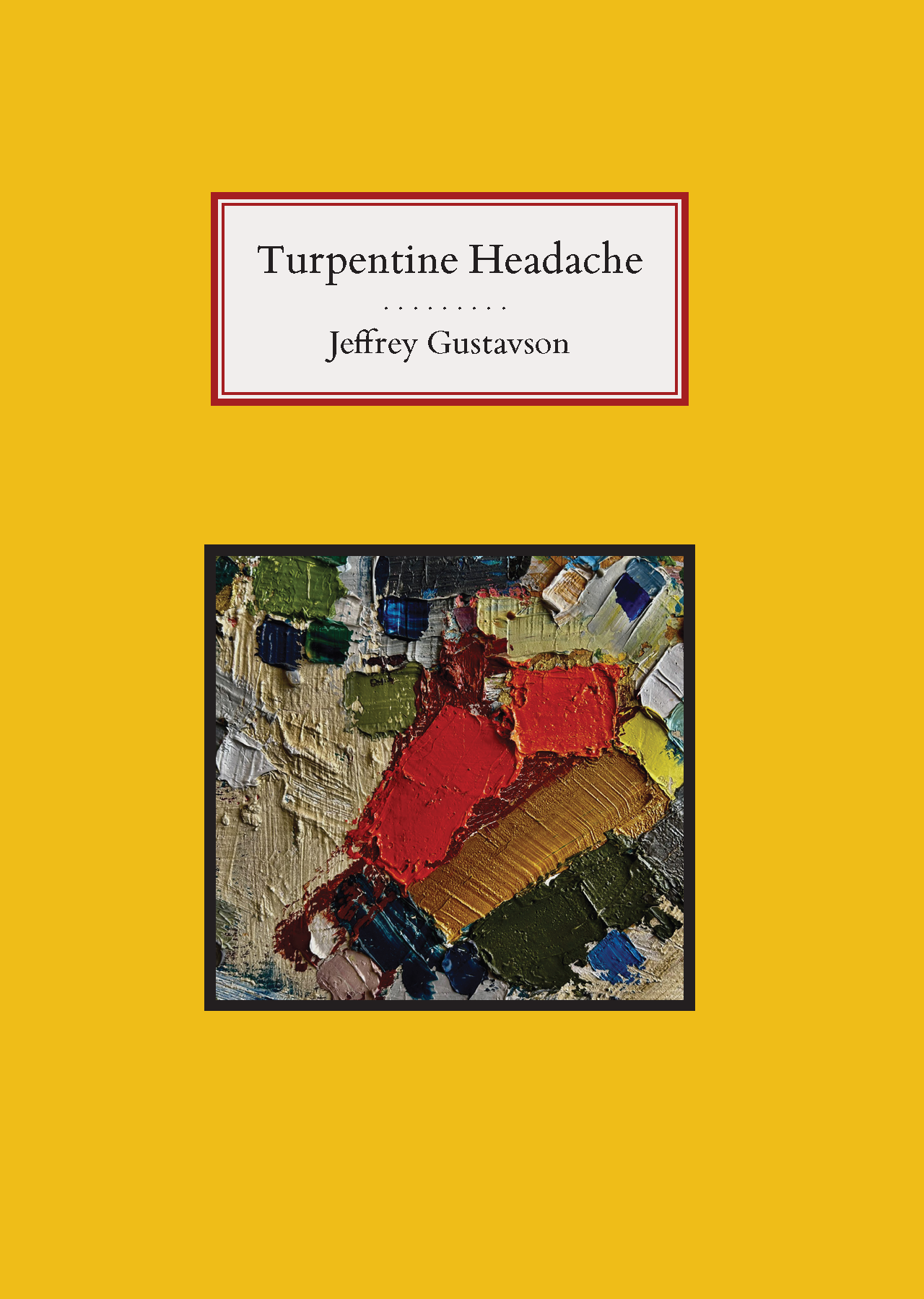 Image 1 of 43
 Image 2 of 43
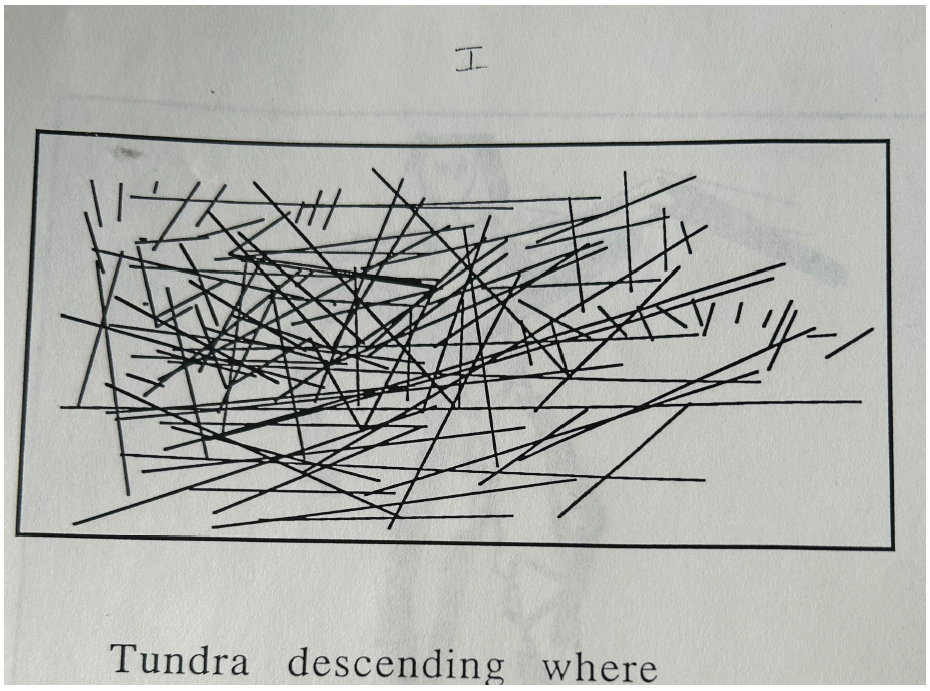 Image 3 of 43
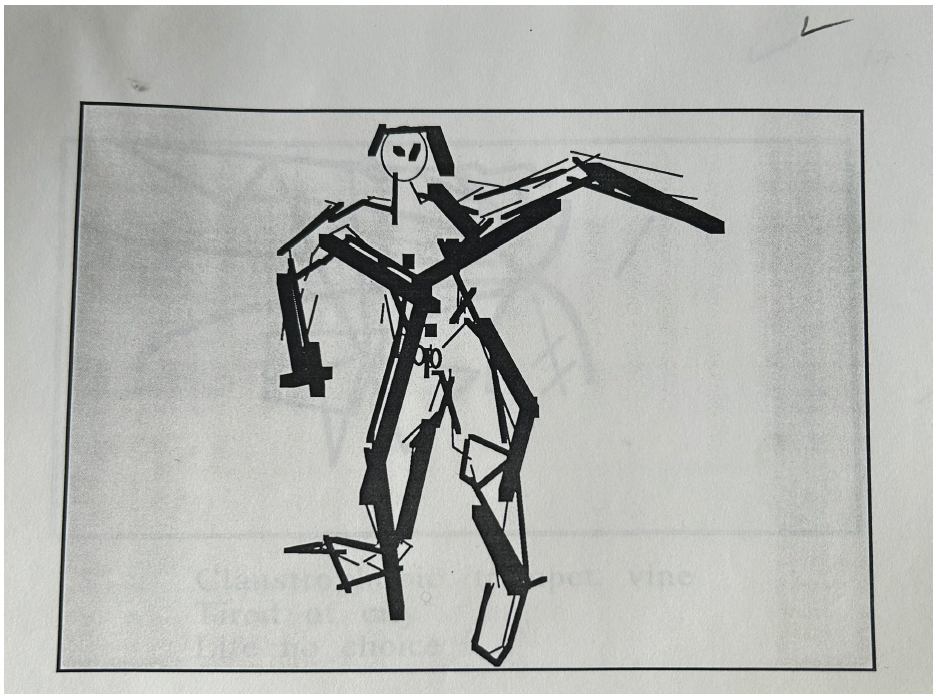 Image 4 of 43
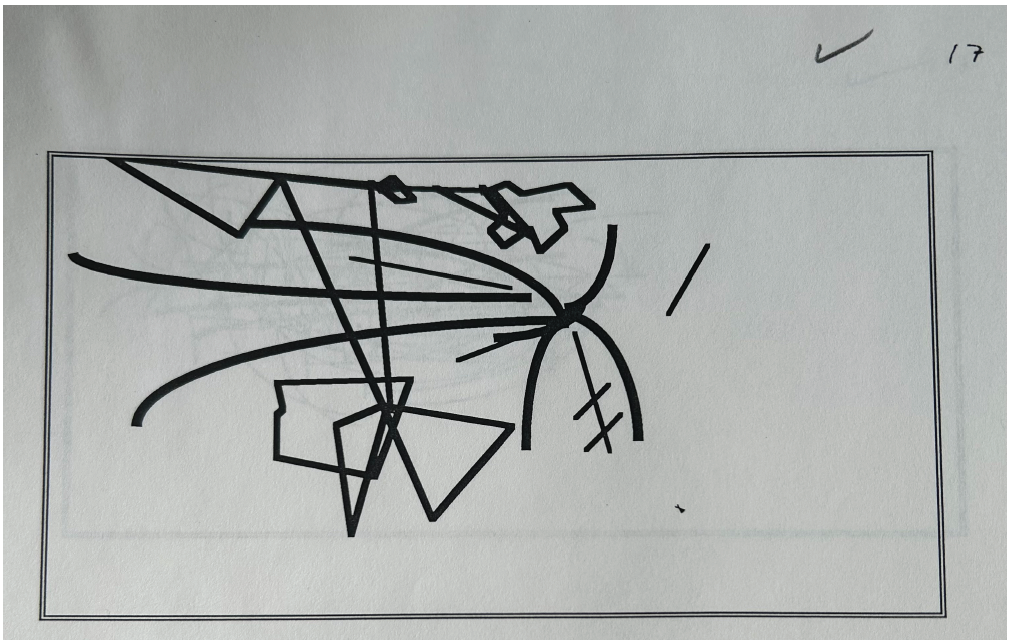 Image 5 of 43
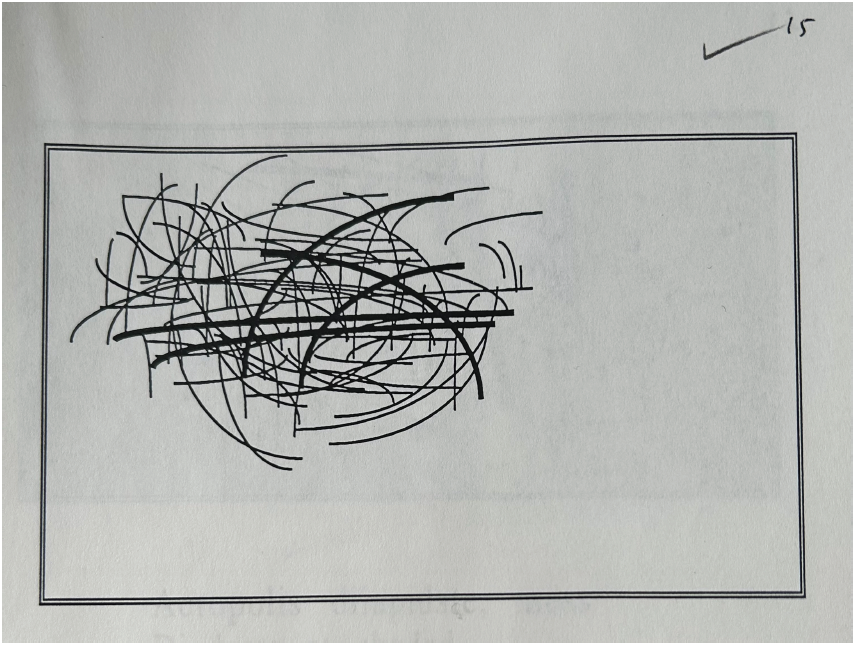 Image 6 of 43
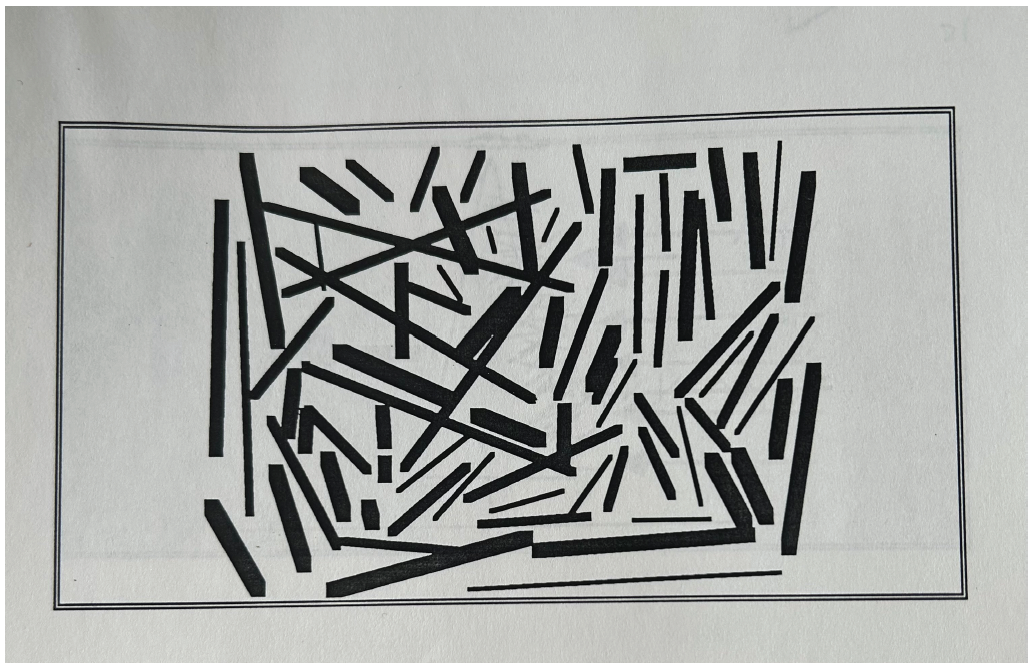 Image 7 of 43
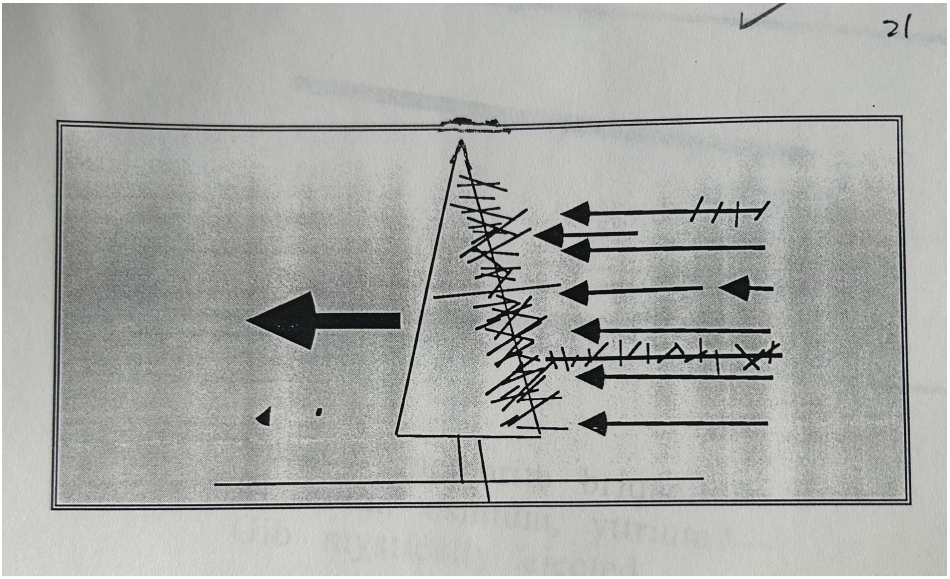 Image 8 of 43
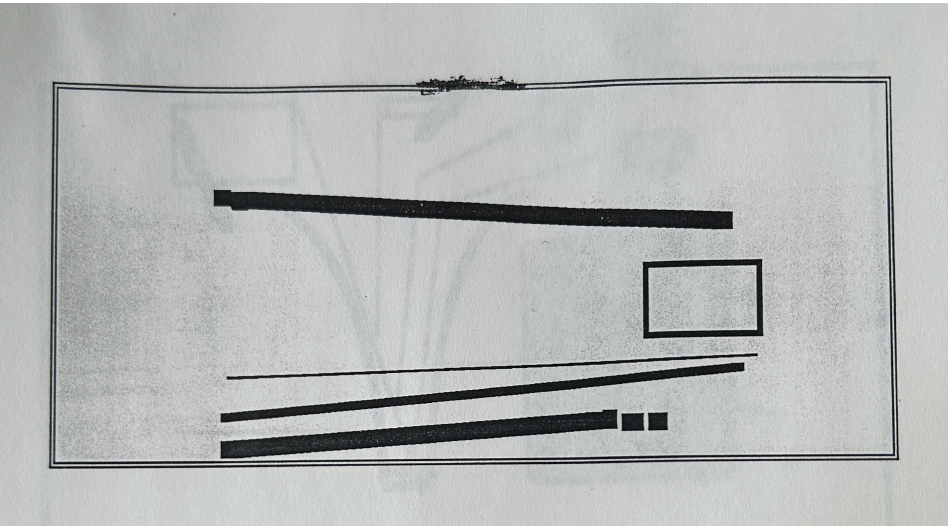 Image 9 of 43
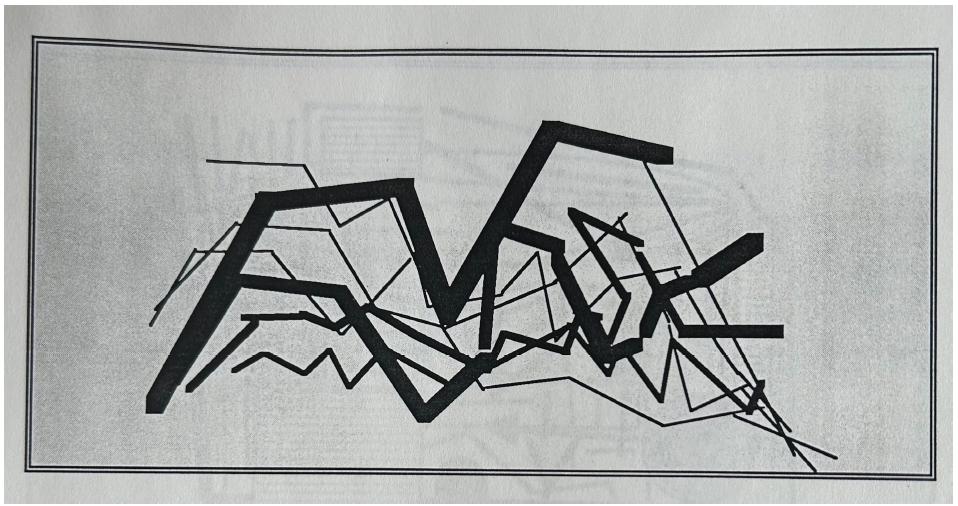 Image 10 of 43
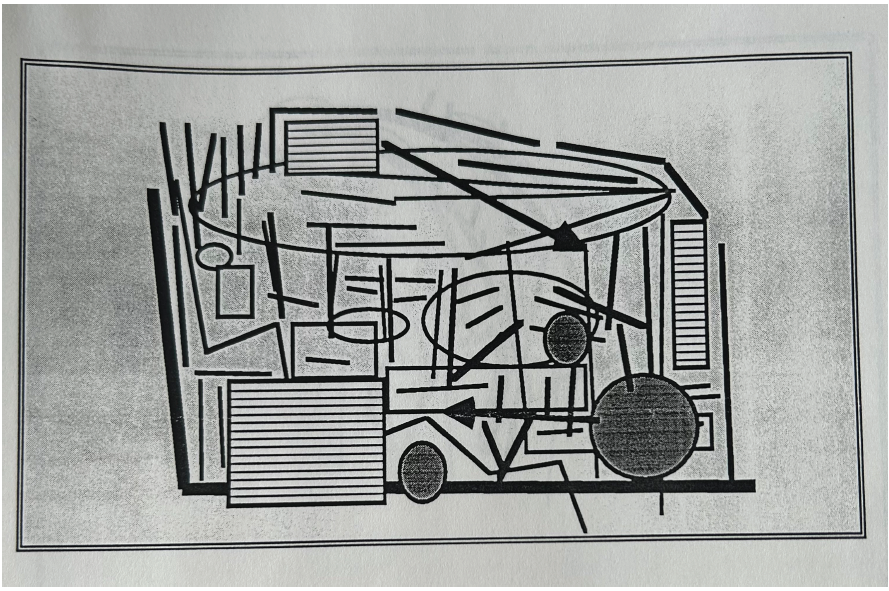 Image 11 of 43
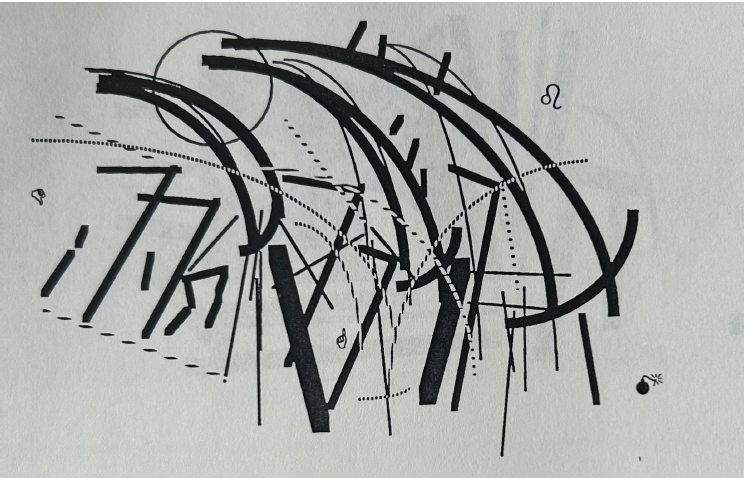 Image 12 of 43
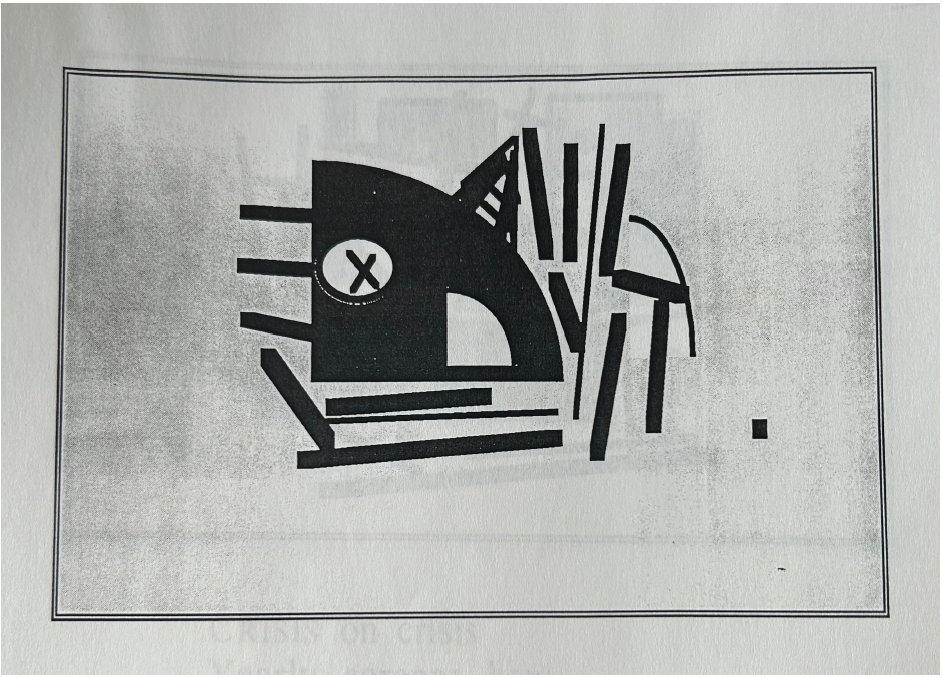 Image 13 of 43
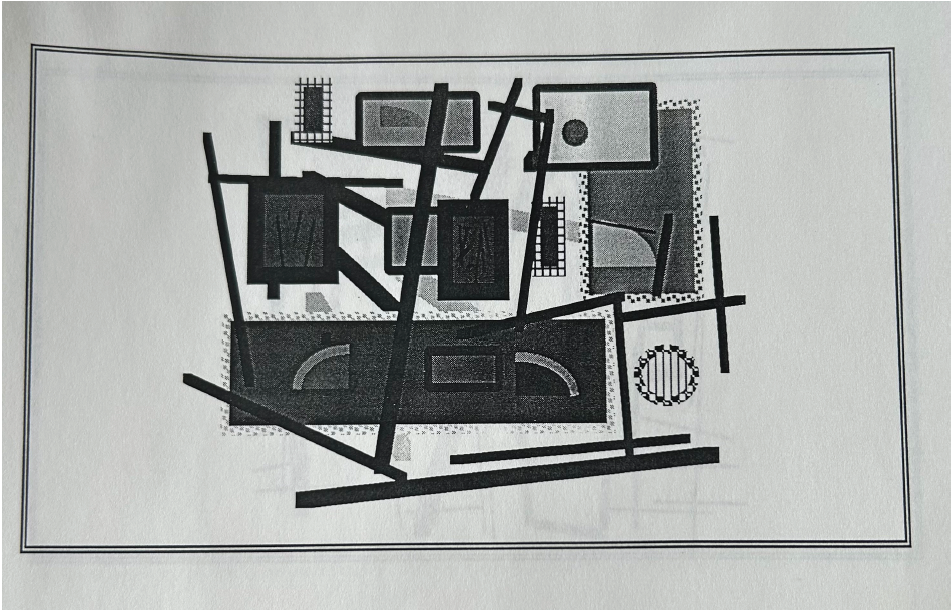 Image 14 of 43
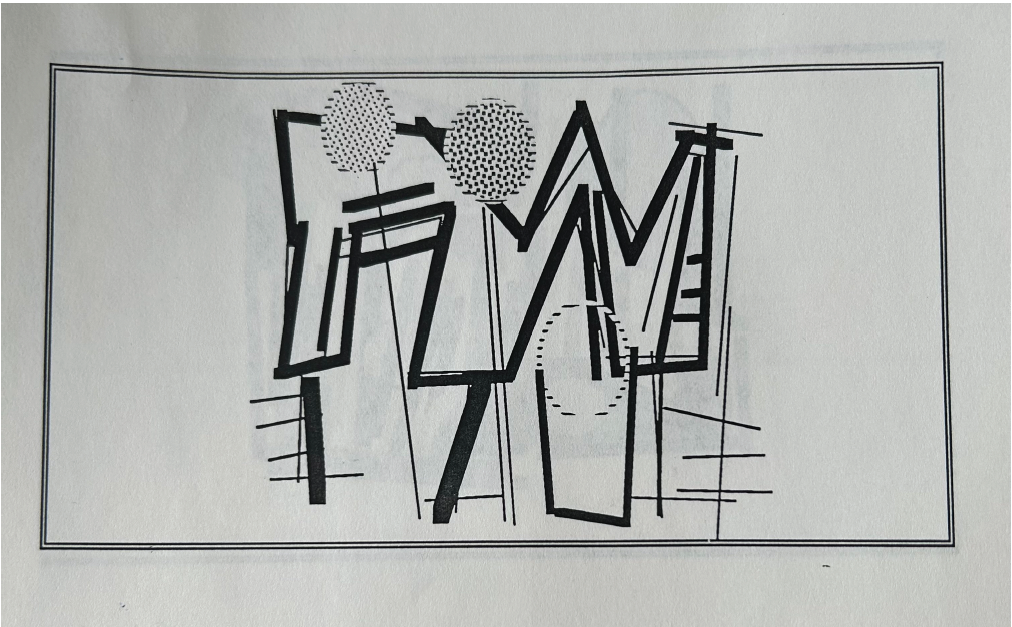 Image 15 of 43
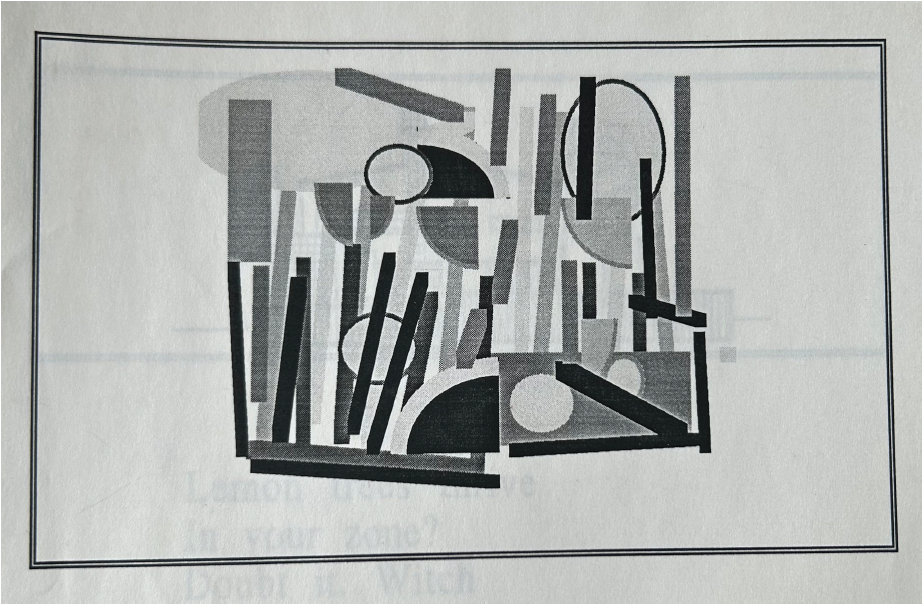 Image 16 of 43
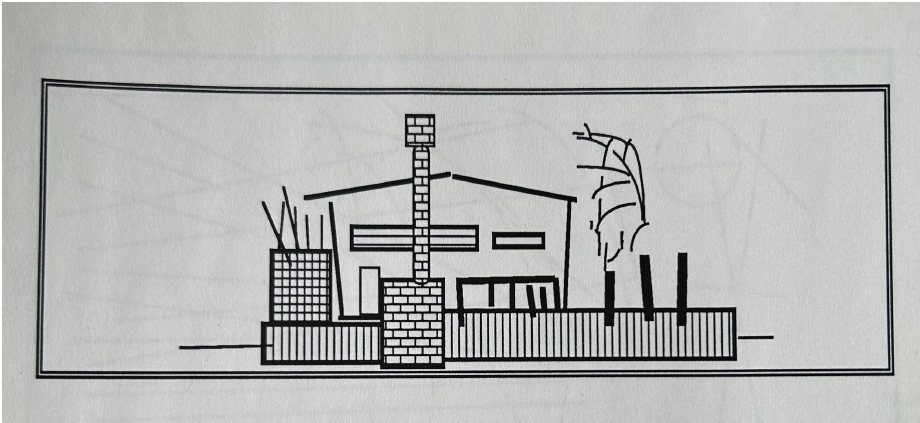 Image 17 of 43
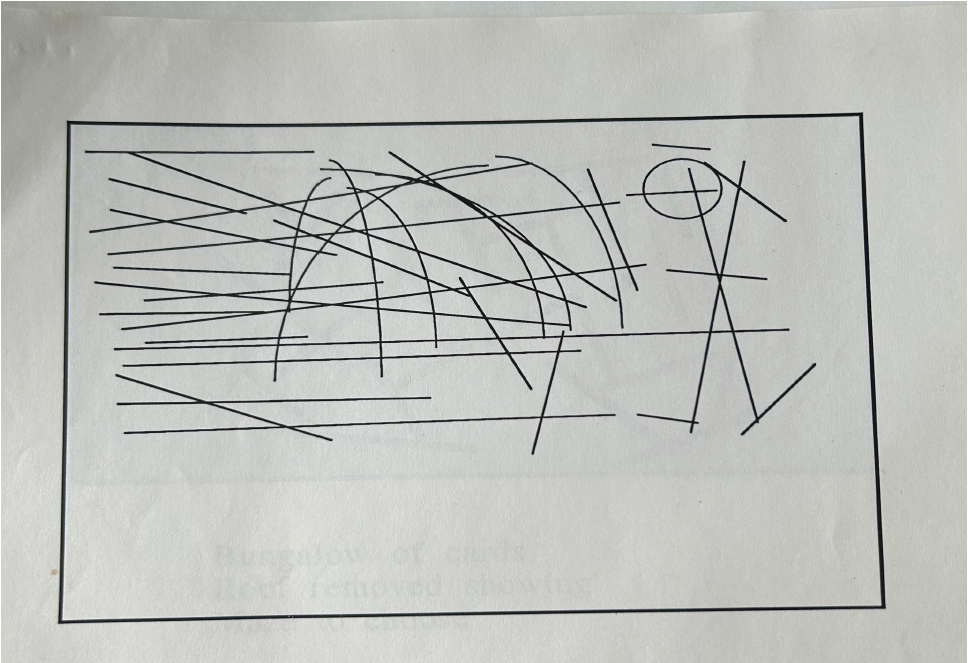 Image 18 of 43
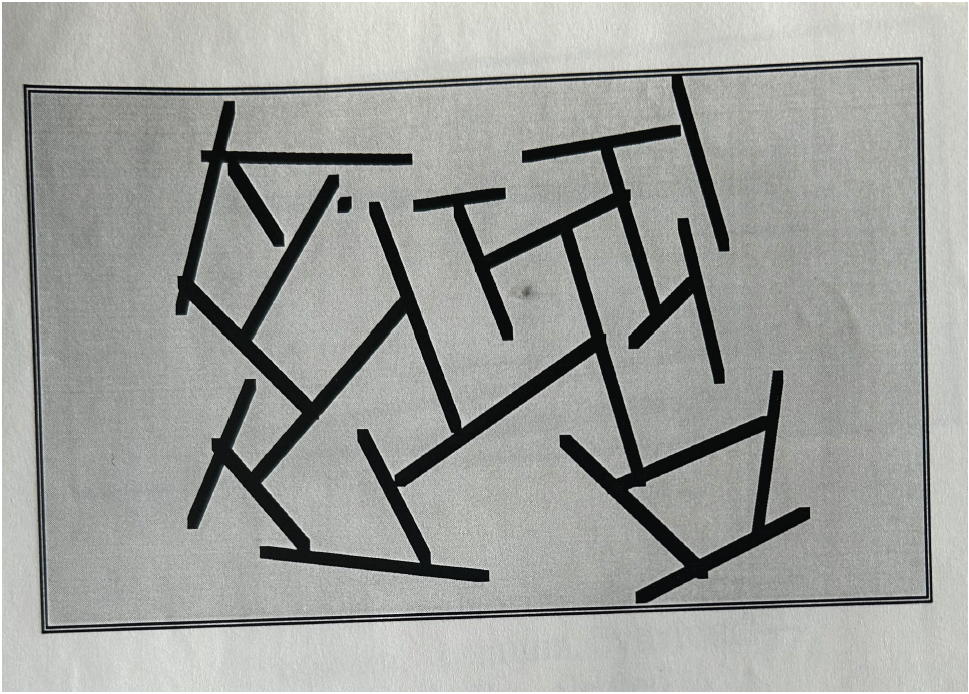 Image 19 of 43
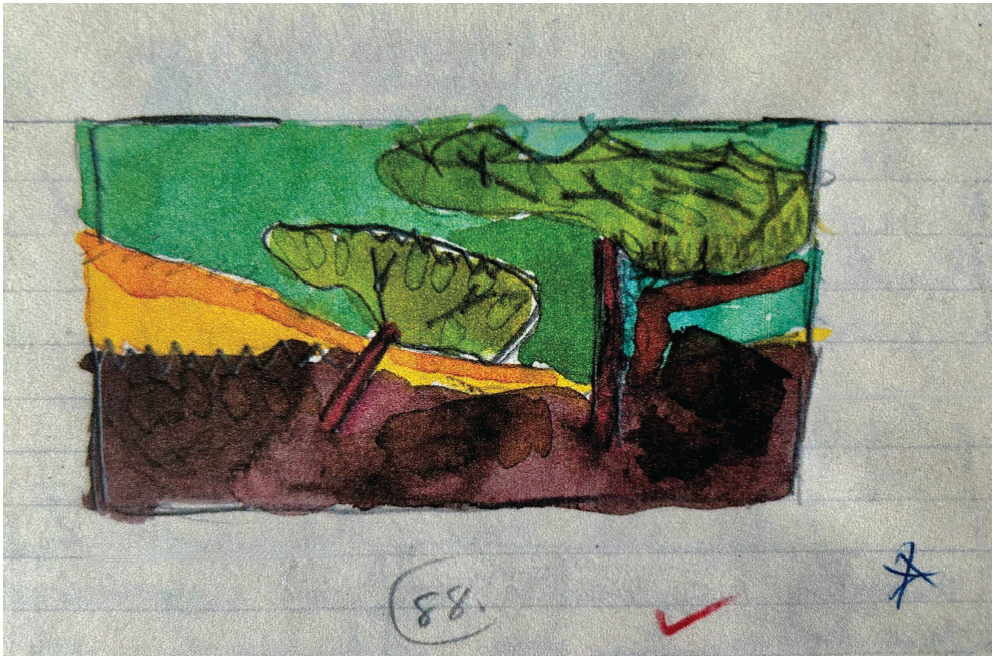 Image 20 of 43
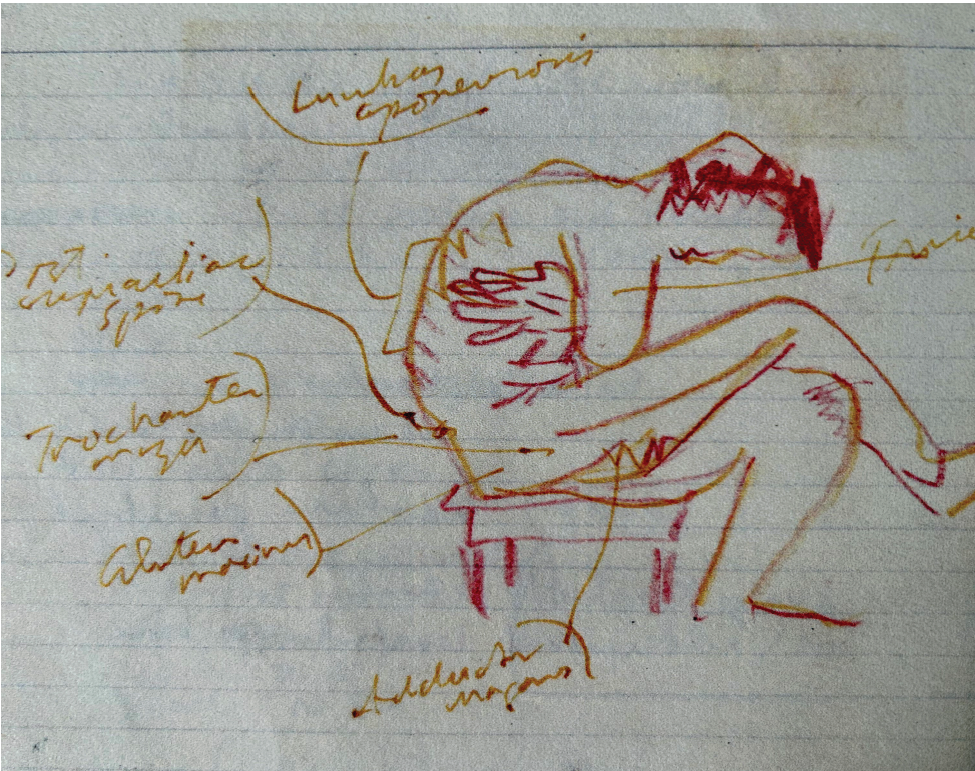 Image 21 of 43
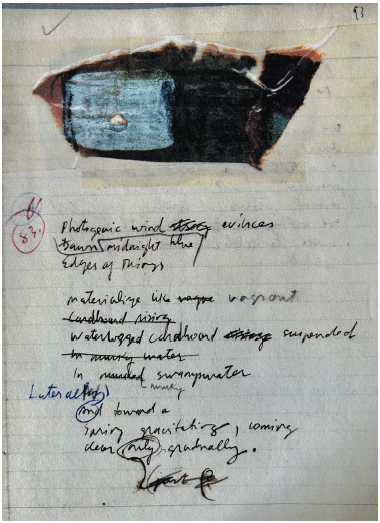 Image 22 of 43
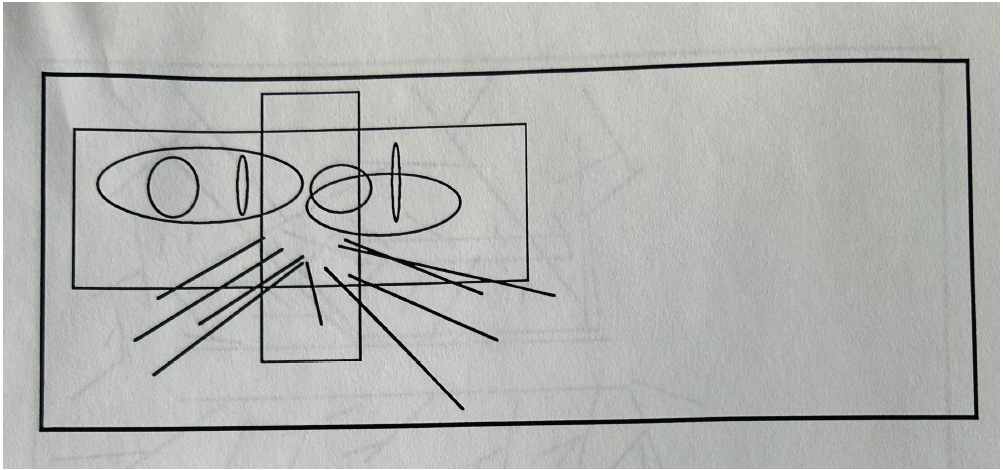 Image 23 of 43
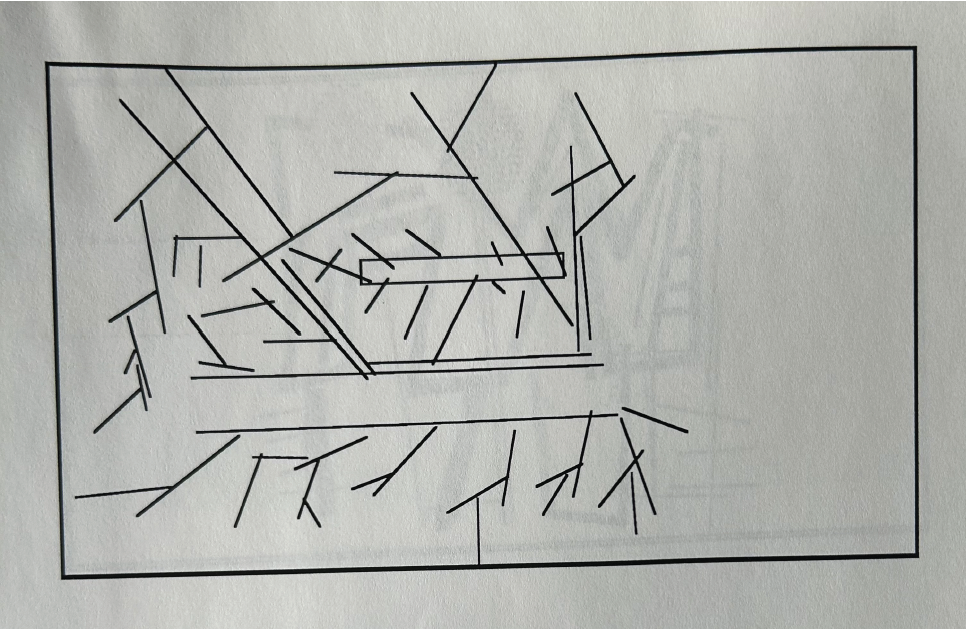 Image 24 of 43
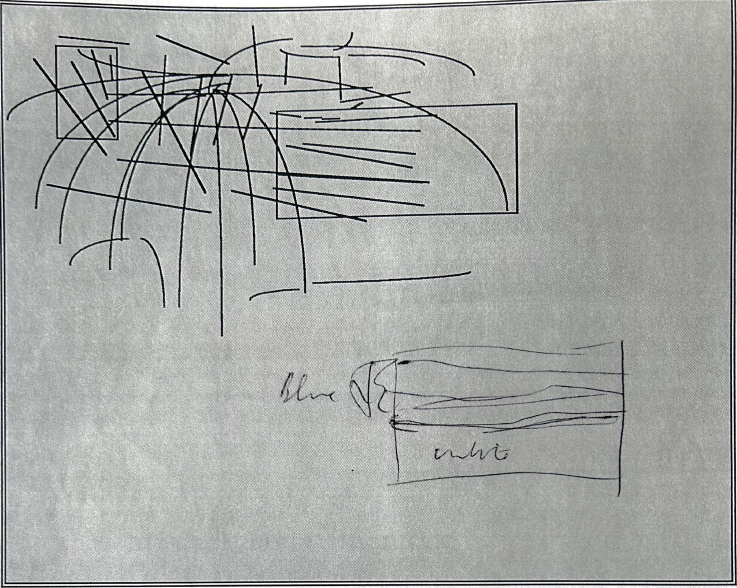 Image 25 of 43
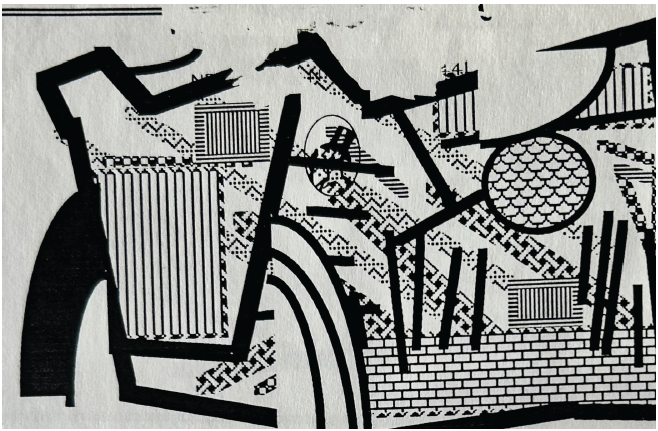 Image 26 of 43
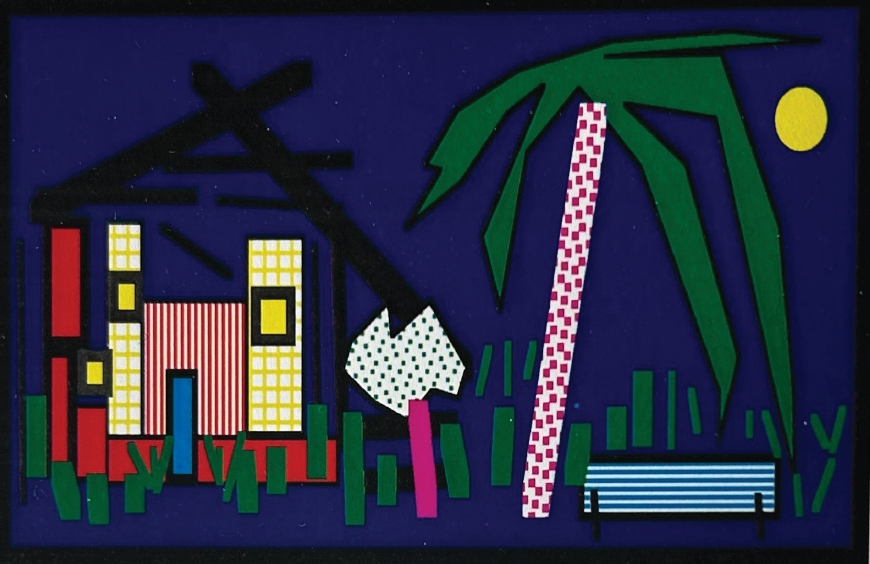 Image 27 of 43
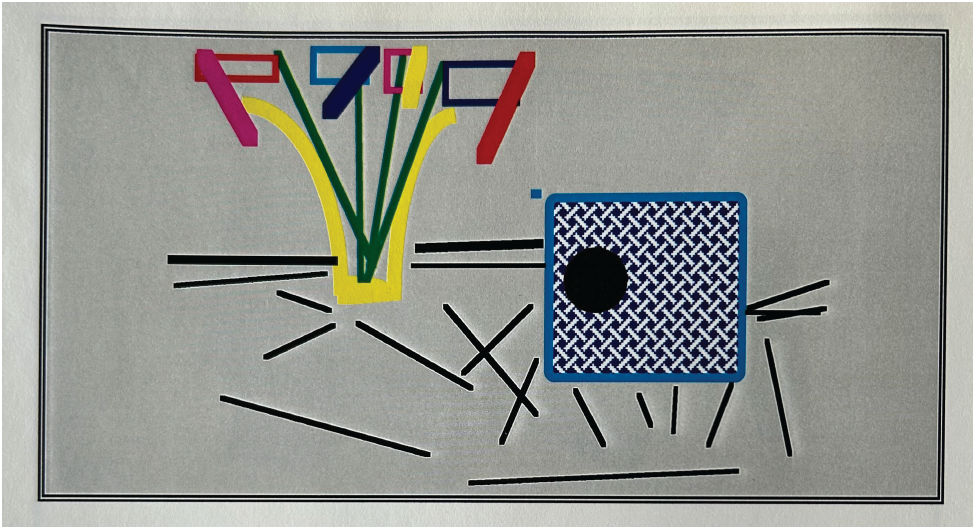 Image 28 of 43
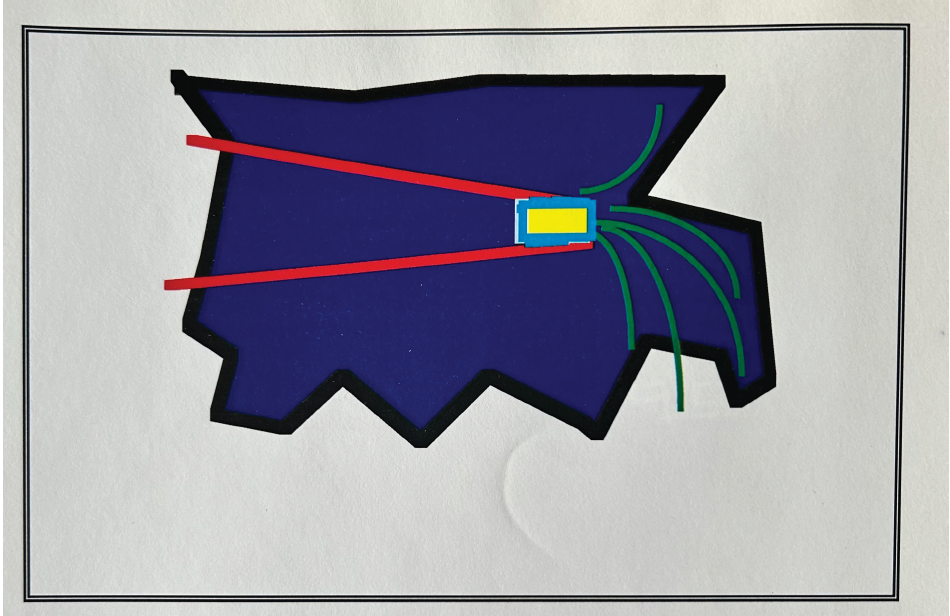 Image 29 of 43
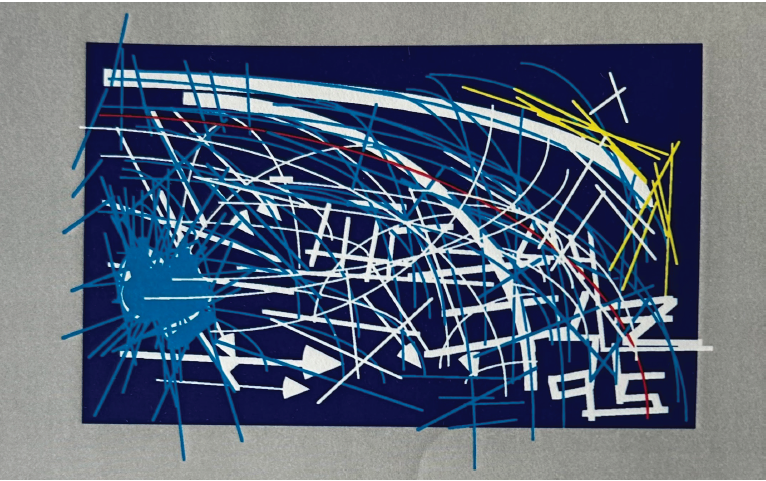 Image 30 of 43
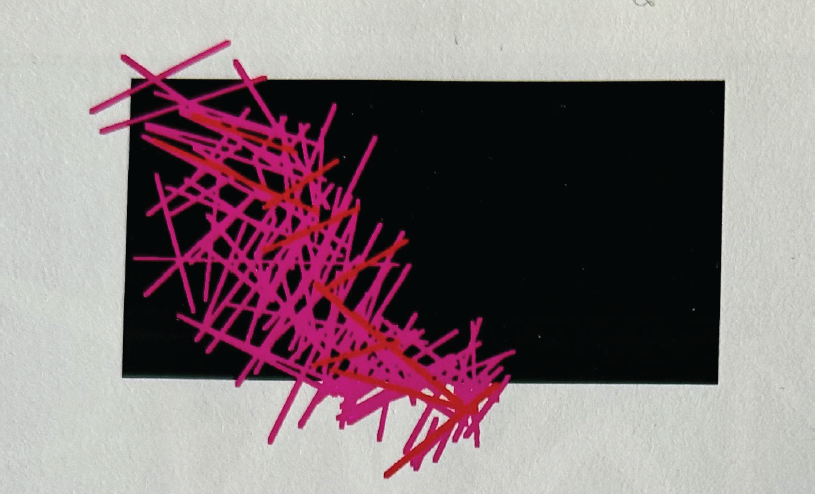 Image 31 of 43
 Image 32 of 43
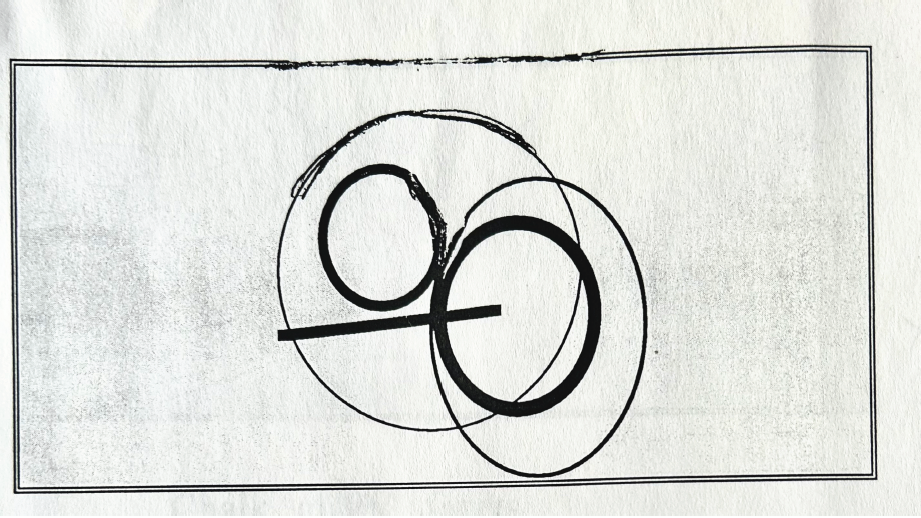 Image 33 of 43
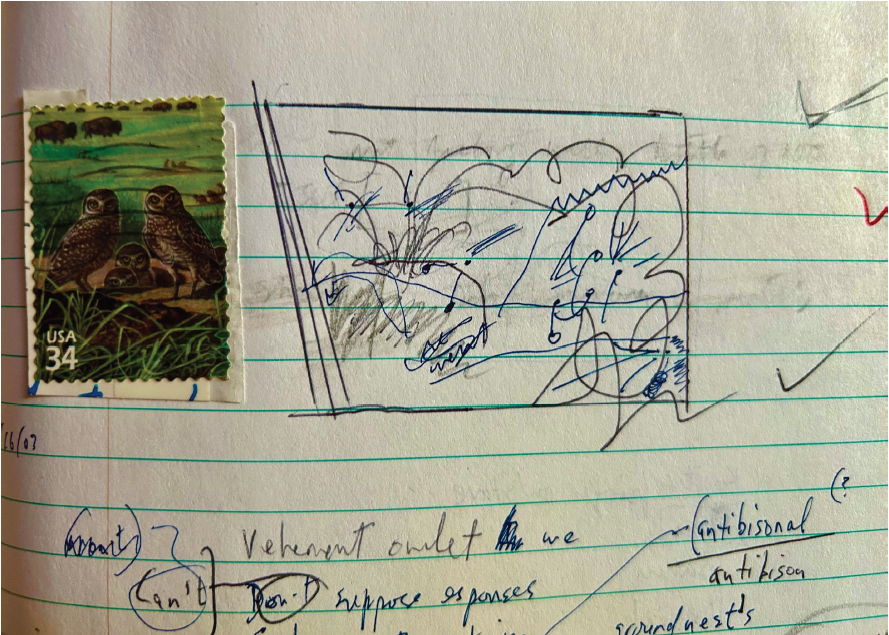 Image 34 of 43
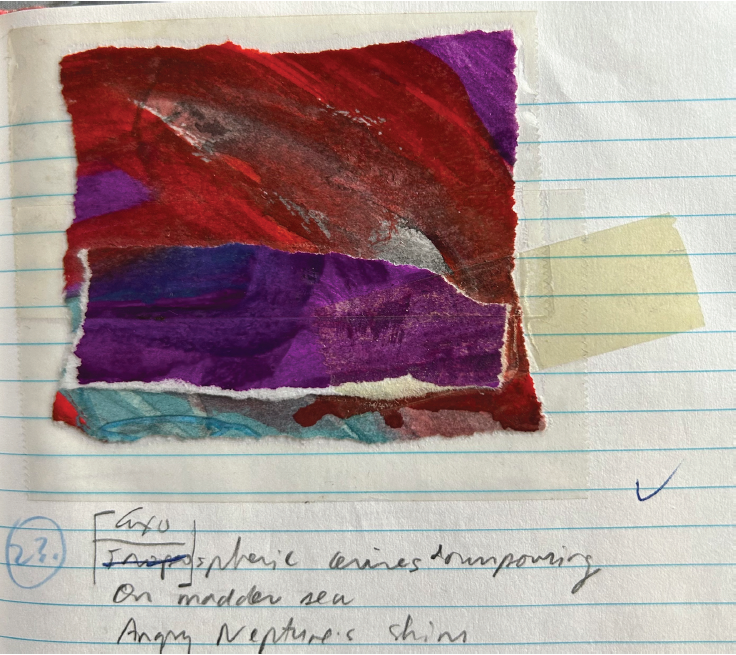 Image 35 of 43
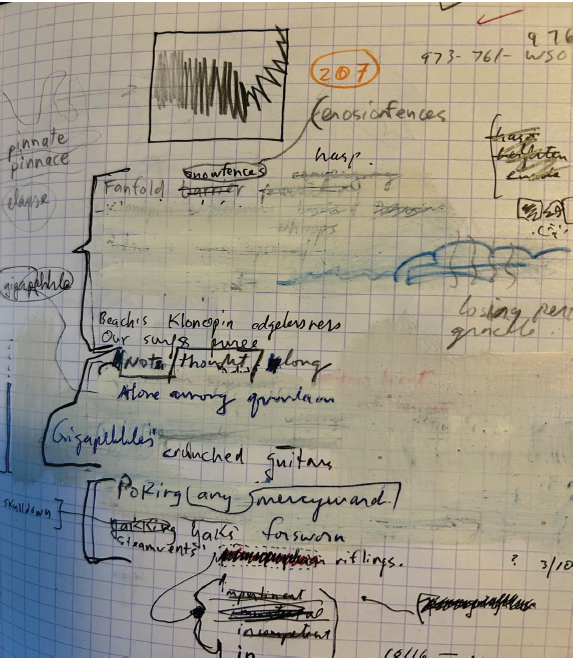 Image 36 of 43
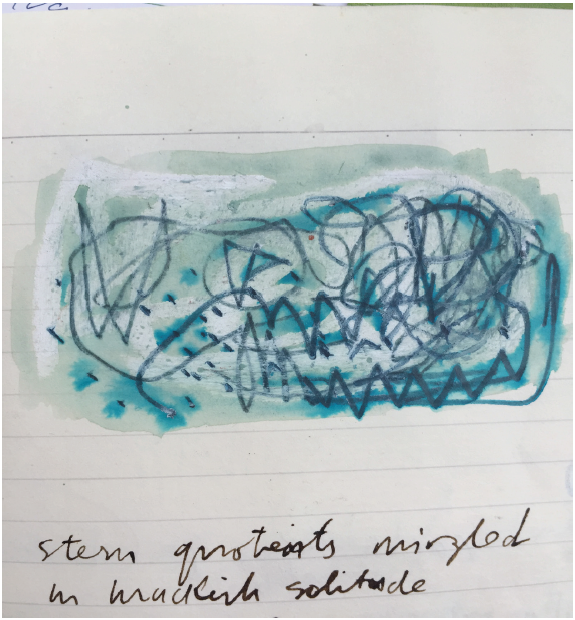 Image 37 of 43
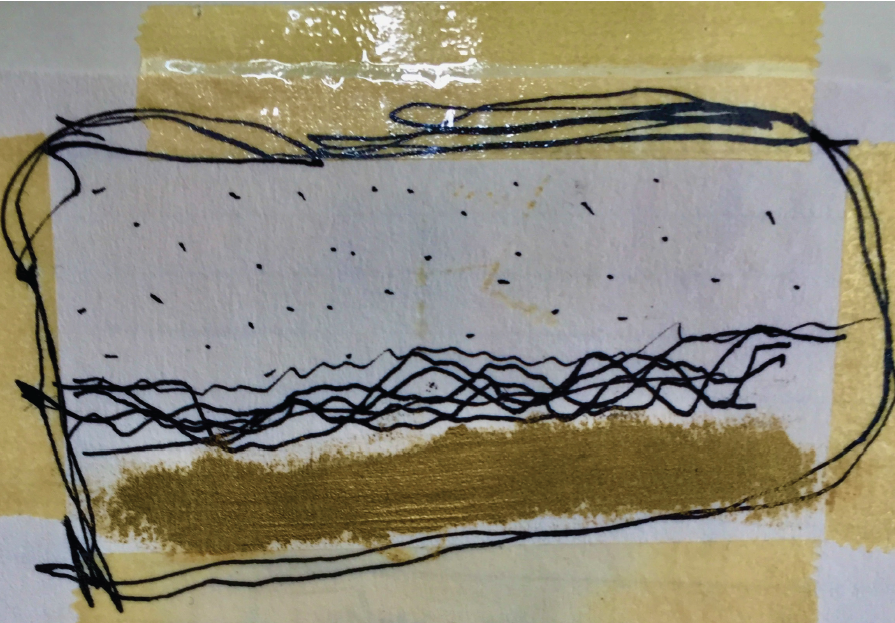 Image 38 of 43
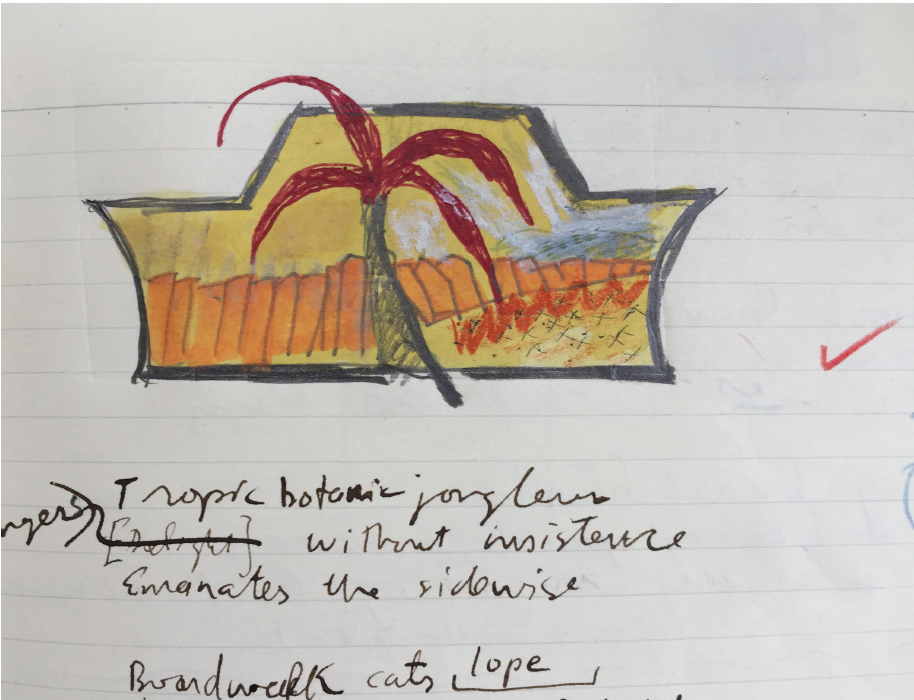 Image 39 of 43
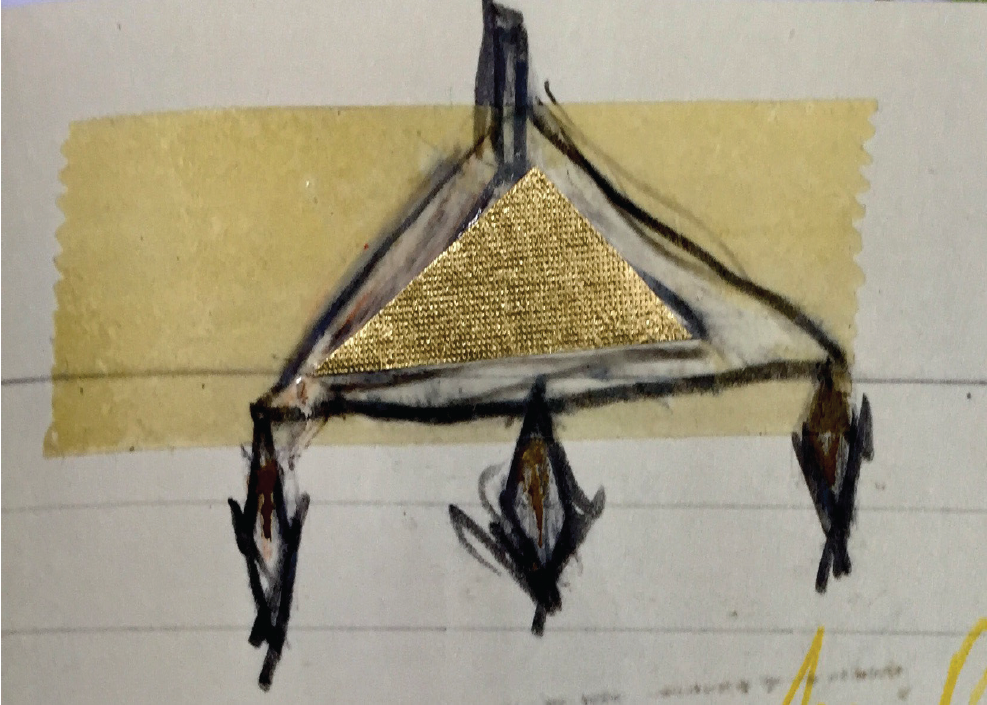 Image 40 of 43
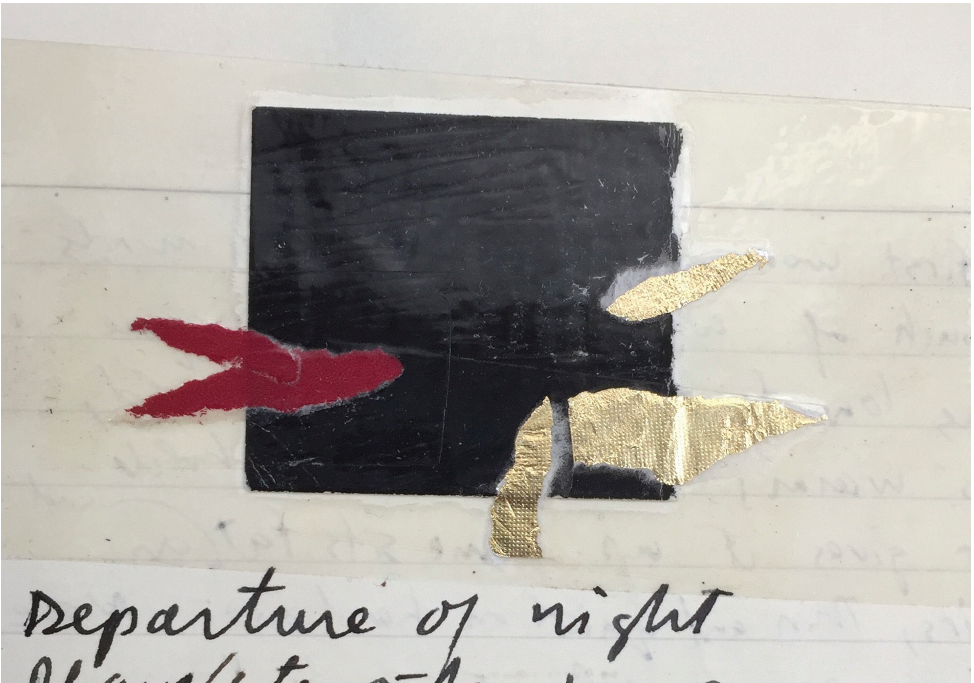 Image 41 of 43
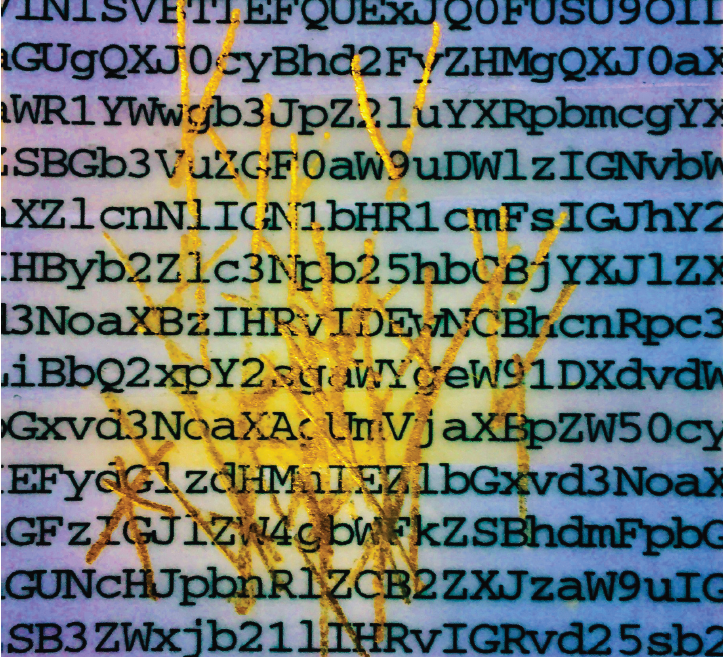 Image 42 of 43
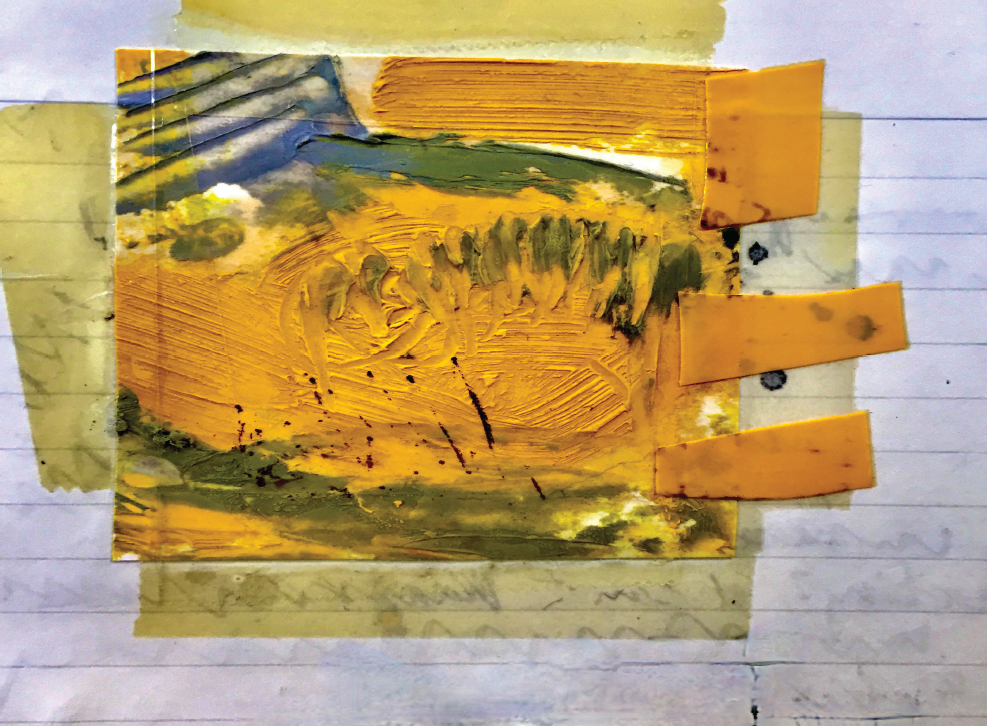 Image 43 of 43